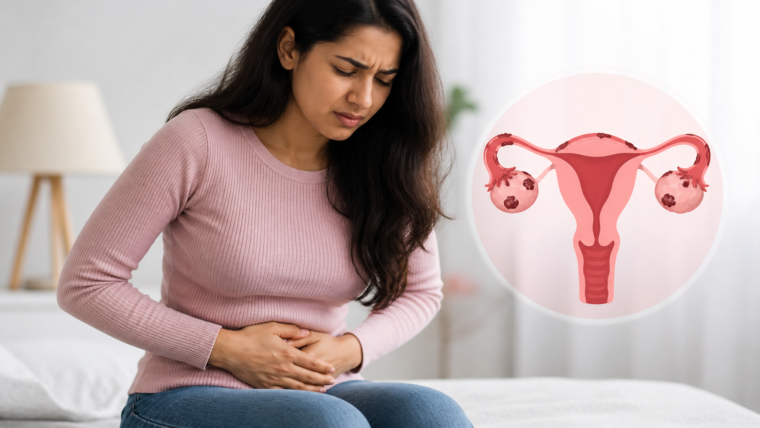
For many women living with endometriosis, surgery can offer significant relief from chronic pelvic pain, painful periods, and fertility-related concerns. One of the most common questions patients ask before surgery is, “How long will it take to recover?”
The answer depends on several factors, including the severity of endometriosis, the type of surgery performed, and your overall health. While many women begin feeling better within a few weeks, complete internal healing may take several months.
If you are considering endometriosis surgery in Mumbai, India, understanding the recovery process can help you prepare physically and emotionally.
What Is Endometriosis Surgery?
Endometriosis surgery is performed to remove or excise endometriosis tissue growing outside the uterus. The primary goals are to:
- Relieve pain
- Improve quality of life
- Preserve fertility whenever possible
- Restore normal pelvic anatomy
- Remove endometriosis lesions and scar tissue
Today, laparoscopic (keyhole) surgery is considered the preferred surgical approach for most women because it is minimally invasive, causes less postoperative pain, and usually allows for faster recovery compared with open surgery.
How Long Does Recovery Take After Endometriosis Surgery?
Recovery occurs in stages, and every woman’s experience is unique.
First 24–48 Hours
Immediately after surgery, you may experience:
- Mild to moderate abdominal pain
- Shoulder pain caused by the gas used during laparoscopy
- Fatigue and drowsiness
- Mild vaginal spotting
- Bloating
These symptoms are common and usually improve within a few days.
Week 1
During the first week:
- Walking short distances is encouraged
- Most women can perform light household activities
- Pain gradually begins to decrease
- Appetite slowly returns
- You should avoid lifting heavy objects or strenuous activities
Rest is important, but gentle movement also supports healing and reduces the risk of blood clots.
Weeks 2–4
By this stage, many women notice significant improvement. Most patients can:
- Return to desk-based work if they feel comfortable
- Drive once they are no longer taking strong pain medication and can move comfortably
- Resume light exercise such as walking
However, high-impact workouts and heavy lifting should still be avoided unless your surgeon advises otherwise.
Four to Six Weeks
Many women have recovered enough to return to most normal daily activities. During this period:
- Surgical wounds are largely healed
- Energy levels continue to improve
- Pelvic discomfort gradually decreases
- Most women receive clearance to resume regular exercise and sexual activity after follow-up evaluation
Your recovery timeline may be longer if extensive endometriosis involving the bowel, bladder, or other pelvic organs was treated.
Three to Six Months
Although you may feel well within a few weeks, internal healing continues for several months. During this time:
- Scar tissue continues to remodel
- Pelvic inflammation decreases
- Many women notice ongoing improvement in pain and mobility
- Fertility may improve, depending on the extent of disease and other factors
Patience is important, as the body needs time to recover fully.
Factors That Affect Recovery Time
Recovery varies from person to person. Factors that may influence healing include:
- The stage and extent of endometriosis
- Whether excision or ablation surgery was performed
- Surgery involving the bowel, bladder, or ureters
- Presence of adhesions or ovarian cysts
- Overall health and nutrition
- Smoking status
- Postoperative care and adherence to medical advice
Tips for a Smooth Recovery
Following your surgeon’s instructions can help speed recovery and reduce complications. Helpful recovery tips include:
- Get plenty of rest
- Walk a little every day to improve circulation
- Stay hydrated
- Eat a balanced, high-fiber diet to prevent constipation
- Take prescribed medications as directed
- Keep surgical wounds clean and dry
- Avoid lifting heavy objects for several weeks
- Attend all follow-up appointments
Every patient’s recovery is different, so avoid comparing your progress with others.
What Symptoms Are Normal After Surgery?
It is normal to experience:
- Mild abdominal discomfort
- Shoulder pain after laparoscopy
- Fatigue
- Light vaginal bleeding or spotting
- Mild swelling around the incision sites
- Temporary constipation or bloating
These symptoms usually improve gradually.
When Should You Contact Your Doctor?
Seek medical attention if you experience:
- Fever above 38°C
- Heavy vaginal bleeding
- Severe abdominal pain that worsens
- Redness, swelling, or discharge from the incision
- Persistent vomiting
- Difficulty passing urine
- Shortness of breath
- Chest pain
Prompt evaluation helps identify and treat complications early.
Will Surgery Cure Endometriosis?
Surgery can significantly reduce symptoms and improve quality of life, but endometriosis is a chronic condition and may recur in some women. To reduce the risk of recurrence, your doctor may recommend:
- Hormonal therapy
- Regular follow-up visits
- Lifestyle modifications
- Individualized fertility planning when appropriate
Long-term management is often the best approach for maintaining symptom control.
Can You Get Pregnant After Endometriosis Surgery?
Many women experience improved fertility after laparoscopic excision surgery, particularly if endometriosis was affecting the ovaries or fallopian tubes. The chances of pregnancy depend on several factors, including:
- Your age
- Ovarian reserve
- Stage of endometriosis
- Presence of other fertility issues
- Overall reproductive health
If pregnancy is one of your goals, discuss fertility planning with your specialist before and after surgery.
Recovering from endometriosis surgery is a gradual process, and every woman’s healing journey is unique. While many patients return to their normal routine within a few weeks, complete internal healing may take several months. Following your surgeon’s advice, attending follow-up appointments, and giving your body time to recover are all important steps toward long-term relief.
If you are looking for expert endometriosis care in Mumbai, India, Dr. Shinjini Pande is an experienced Consultant Obstetrician, Gynaecologist, and Advanced Laparoscopic Surgeon with expertise in the diagnosis and minimally invasive treatment of endometriosis. She provides personalized treatment plans focused on relieving pain, preserving fertility whenever possible, and helping women achieve a faster, safer recovery.
Whether you are considering surgery or recovering after an endometriosis procedure, Dr. Shinjini Pande and her team are committed to providing compassionate, evidence-based care at every stage of your treatment journey. Schedule a consultation to discuss your symptoms, recovery expectations, and the most appropriate treatment options for your individual needs.
Frequently Asked Questions (FAQs)
1. How soon can I return to work after endometriosis surgery?
Many women return to desk-based work within 2–3 weeks, while physically demanding jobs may require 4–6 weeks or longer, depending on the extent of surgery.
2. When can I exercise again?
Gentle walking is encouraged soon after surgery. More strenuous activities should only be resumed after your surgeon confirms that healing is progressing well.
3. Is pain after surgery normal?
Yes. Mild to moderate pain, bloating, and fatigue are common during the early stages of recovery and usually improve over time.
4. Can endometriosis come back after surgery?
Yes. Although surgery removes visible endometriosis, recurrence is possible. Ongoing follow-up and appropriate medical management can help reduce this risk.
5. How long does complete internal healing take after endometriosis surgery?
While many women feel better within a few weeks, complete internal healing — including scar tissue remodeling and reduced pelvic inflammation — can take three to six months.