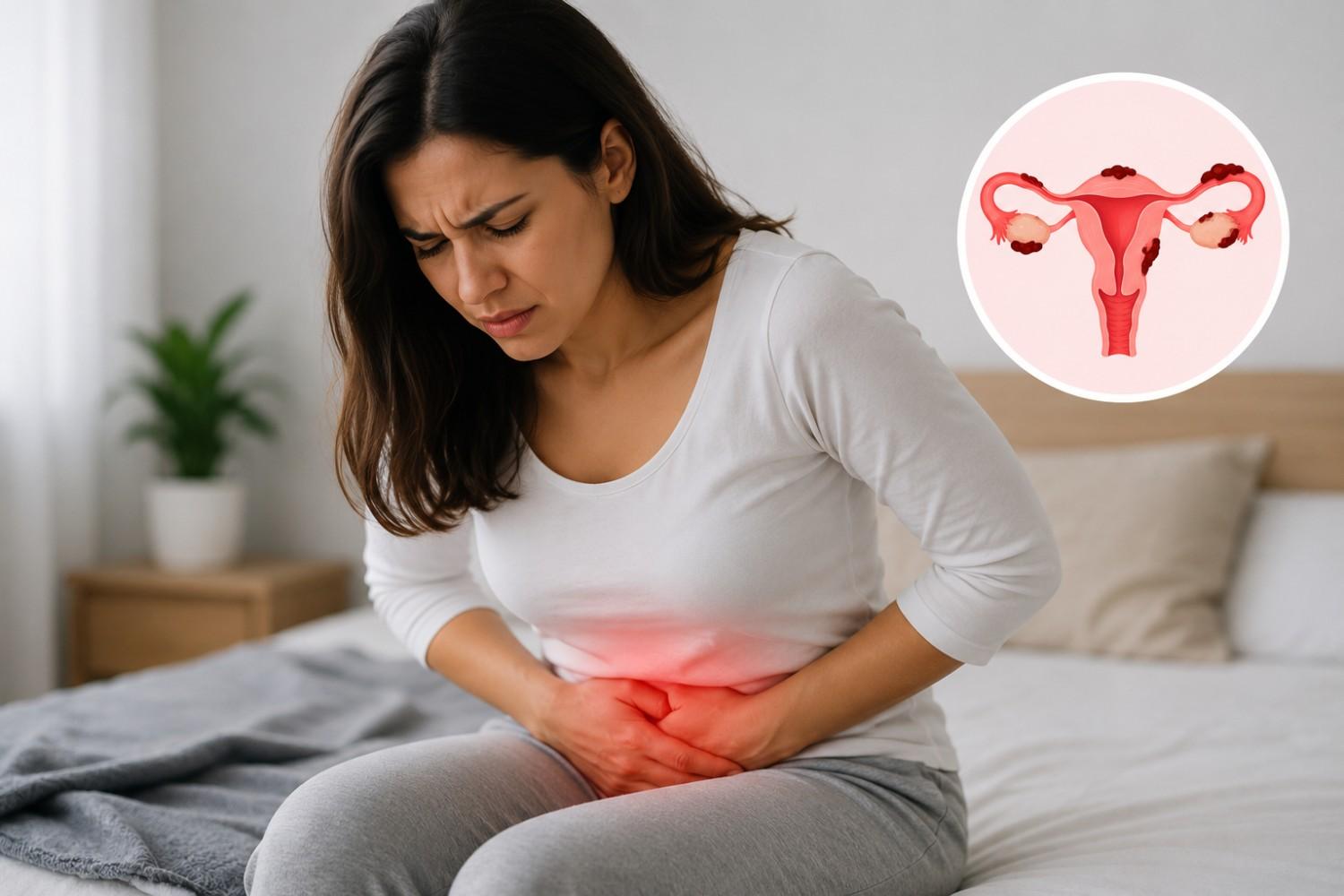
Endometriosis is one of the most common yet misunderstood gynecological conditions affecting women worldwide. Many patients who struggle with chronic pelvic pain, infertility, fatigue, and repeated surgeries often ask one important question:
“Why is there still no permanent cure for endometriosis?”
The answer lies in the complexity of the disease and the fact that researchers still do not fully understand its exact cause and progression.
Understanding Endometriosis
Endometriosis occurs when tissue similar to the lining of the uterus grows outside the uterus. These growths can affect the ovaries, fallopian tubes, bladder, bowel, and other pelvic organs, leading to inflammation, scar tissue, and severe pain.
It is considered a chronic disease because it often requires long-term management and may recur even after treatment.
Why Is Endometriosis So Difficult to Cure?
One of the biggest challenges in treating endometriosis is that researchers still do not fully understand why the disease develops.
Current treatments mainly focus on managing symptoms rather than eliminating the root cause. These treatments may include:
- Hormonal medications
- Progesterone-based therapies
- Pain management
- Laparoscopic surgery
- Fertility treatments
While these approaches may help control symptoms, they are not always permanent solutions because the disease can return over time.
Why More Research Is Needed
1. Genetic Factors
Scientists are studying whether genetics play a role in why some women develop endometriosis while others do not.
2. Immune System Involvement
Research suggests the immune system may contribute to inflammation and disease progression.
3. Hormonal Mechanisms
Understanding how hormones influence the growth of endometriosis tissue may help create targeted therapies.
4. Whole-Body Impact
Endometriosis is not only a pelvic disease. Many patients experience fatigue, digestive symptoms, mental health effects, and systemic inflammation. More research is needed to understand how the disease affects the entire body.
Why Awareness Matters
Awareness plays a crucial role in improving the future of endometriosis care.
When more people understand the seriousness of the disease, it can lead to:
- Faster diagnosis
- Improved patient care
- Better understanding of symptoms
- Increased conversations around women’s health
- Greater focus on advanced treatment approaches
The more conversations we have about endometriosis, the closer we move toward better treatment options and improved long-term care for patients.
Current Hope for Patients
Although there is currently no guaranteed permanent cure, advancements in minimally invasive surgery, fertility care, pain management, and hormonal therapies are helping many women manage their symptoms more effectively.
Researchers around the world continue to work toward discovering better answers and more targeted treatments for endometriosis.
Frequently Asked Questions (FAQs)
1. Is there a permanent cure for endometriosis?
Currently, there is no guaranteed permanent cure for endometriosis, but treatments can help manage symptoms and improve quality of life.
2. Why does endometriosis come back after surgery?
Surgery removes visible endometriosis tissue, but the underlying cause of the disease is still not fully understood, which may lead to recurrence.
3. Can lifestyle changes help manage endometriosis?
Healthy lifestyle habits, stress management, anti-inflammatory diets, and regular medical care may help reduce symptoms in some patients.
4. Is endometriosis considered a chronic disease?
Yes. Endometriosis is considered a chronic condition because symptoms may continue for many years and often require ongoing management.
5. Will future research improve endometriosis treatment?
Ongoing medical research may lead to earlier diagnosis, better medications, and more advanced treatment options in the future.
Conclusion
Endometriosis affects millions of women worldwide, yet many aspects of the disease are still being studied. The lack of permanent treatment options is closely linked to the complexity of the condition and the limited understanding of its root causes.
As awareness continues to grow, there is hope that future advancements will provide better solutions, improved quality of life, and more lasting treatments for endometriosis patients.
Dr. Shinjini Pande is committed to spreading awareness about endometriosis and helping women receive timely diagnosis, evidence-based treatment, and compassionate gynecological care.